
How Service Business Owners Can Use Retained Earnings and Multifamily Real Estate to Build Durable Assets
Many successful service business owners generate strong cash flow but still face a long-term wealth problem. Their income is active, their business value may depend heavily on them, and the eventual sale multiple for a service company is often lower than expected. That creates a gap between years of hard work and the durable wealth they want to build.
One way to address that gap is to use retained earnings and excess capital to move into durable assets. For the right operator, multifamily real estate can provide a practical path to converting business success into long-term tangible value. This is especially relevant for owners who have built profitable companies, accumulated retained earnings, and want more than idle cash or passive uncertainty.
Why retained earnings alone are not the full strategy
Retained earnings can strengthen a business, provide flexibility, and create optionality. But leaving capital parked without a broader plan may not create the long-term outcome an owner wants. Inflation, concentration risk, and limited exit value can all reduce the effectiveness of a cash-heavy strategy.
For many owners, the bigger opportunity is to think beyond the operating company. The question becomes: how can current business success be translated into assets that are more durable, less dependent on daily labor, and better aligned with long-term wealth building?
Why multifamily real estate appeals to service business owners
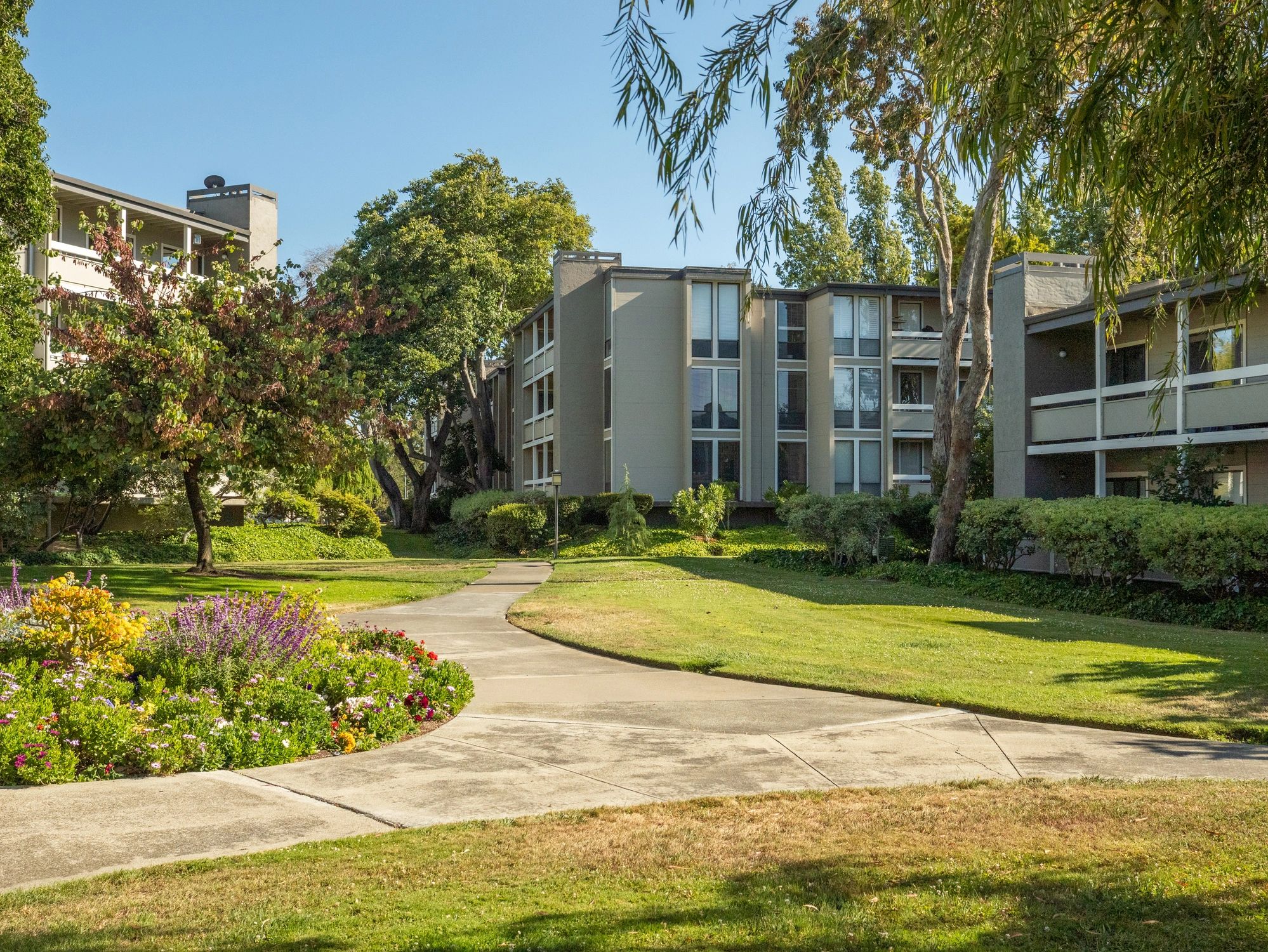
Multifamily real estate offers several characteristics that appeal to established operators. It is tangible. It can generate income. It can benefit from professional operations and value-add improvements. And unlike a small owner-dependent service business, a well-run apartment asset is not typically valued only on the founder’s personal involvement.
For owners who understand operations, staffing, maintenance, and systems, multifamily can also feel more understandable than abstract investments. The asset has units, expenses, occupancy, financing, and operational levers. That operating logic often resonates with business owners who are used to solving practical problems and improving performance.
The role of joint ventures
Not every service business owner wants to source deals, underwrite properties, arrange financing, and manage apartment operations personally. That is where joint venture structures can matter. A joint venture can allow an owner to participate in multifamily acquisitions alongside experienced operators who handle sourcing, underwriting, execution, and ongoing management.
For the right investor, this can create exposure to durable assets without requiring a full career shift into real estate operations. It can also help bridge the gap between active business income and long-term asset ownership.
Why this strategy pairs with business systems
There is an important connection between retained earnings strategy and operational systems. If the business remains overly dependent on the owner, it becomes harder to free up time, confidence, and capital for long-term planning. That is why many owners need two tracks at once: improve the business operating system and deploy capital more intentionally.
When AI tools, SOPs, training, and software systems reduce owner dependence, the business becomes more stable and more transferable. That can improve enterprise value while also making it easier for the owner to focus on broader wealth-building decisions. In that sense, business systems and durable asset acquisition are not separate ideas. They reinforce each other.
Who this approach may fit
This type of strategy is often most relevant for established service business owners who have meaningful retained earnings, a strong operating history, and a desire to diversify beyond the business itself. It may also appeal to owners who have paid-off homes, accredited investor status, or a long-term exit plan that includes reducing concentration in the operating company.
Examples may include operators in HVAC, elevator repair, fire systems, diesel, refrigeration, and infrastructure maintenance who want to turn years of operating success into a more durable balance sheet.
Final thought
Retained earnings and multifamily real estate can be part of a larger strategy to build durable assets beyond the service business itself. For the right owner, the goal is not simply to earn more income. It is to convert business success into long-term value that is more tangible, more diversified, and less dependent on daily effort.
nextSystem.ca helps service business owners think through both sides of that equation: improving business systems to increase enterprise value and exploring multifamily joint venture opportunities that can support durable long-term asset growth.